
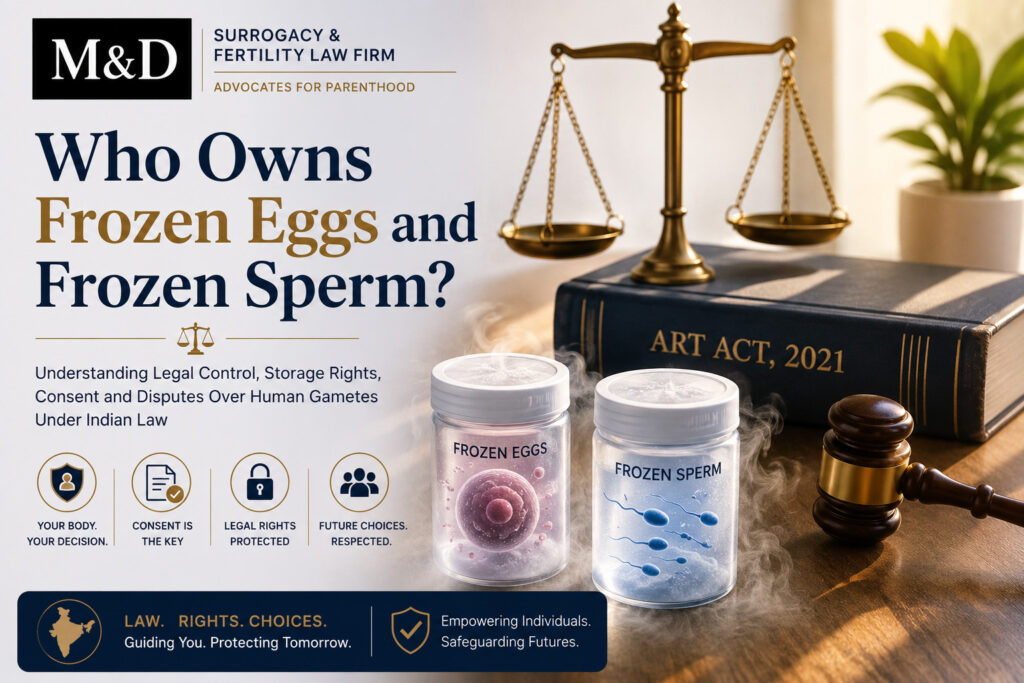
Who Owns Frozen Eggs and Frozen Sperm?
Frozen eggs and frozen sperm are not ‘owned’ in the conventional property-law sense. Under Indian law, the individual from whom the gametes originate ordinarily retains legal control over their storage, transfer, donation or disposal — through informed consent, not ownership. Marriage does not automatically give a spouse authority over the other spouse’s stored eggs or sperm.
Introduction
Advances in assisted reproductive technology (ART) have enabled individuals to preserve their fertility in ways that were unimaginable only a few decades ago. Today, women may choose to freeze their eggs before undergoing cancer treatment, delaying parenthood or preserving fertility for medical or personal reasons. Similarly, men may cryopreserve sperm before chemotherapy, major surgery, vasectomy or other circumstances that may affect future fertility.
Unlike embryos, which are created by combining an egg and sperm, frozen eggs and frozen sperm remain unfertilised reproductive cells, commonly referred to as gametes. Although the scientific distinction is straightforward, the legal distinction is far more significant.
- Who owns frozen eggs?
- Who owns frozen sperm?
- Can they be transferred to another person?
- Can they be donated?
- Can consent be withdrawn after storage?
- What happens if the individual who produced the gametes dies?
- Can family members claim any rights over them?
- Can an ART clinic refuse to release stored gametes?
These questions are becoming increasingly common as fertility preservation becomes a routine component of reproductive healthcare. Yet many individuals undergoing fertility preservation focus almost entirely on the medical procedure, giving little thought to the legal rights and obligations that continue long after storage begins.
In India, the Assisted Reproductive Technology (Regulation) Act, 2021 (“ART Act”) establishes an important regulatory framework governing the collection, storage and use of gametes. However, as with several developing areas of reproductive law, many practical disputes require an analysis that extends beyond the statutory provisions and into the principles of informed consent, bodily autonomy, contractual obligations and constitutional rights.
This article examines the legal principles governing ownership and control of frozen eggs and frozen sperm, explains how Indian law approaches these issues, considers important international developments and provides practical guidance for individuals and ART clinics alike.
Why This Issue Arises
Although frozen eggs and frozen sperm are often discussed together with embryos, they occupy a fundamentally different legal position.
An embryo represents the genetic contribution of two individuals and therefore frequently involves competing reproductive interests. A frozen egg or frozen sperm sample, on the other hand, ordinarily originates from a single individual.
At first glance, this appears to make the legal position considerably simpler. In practice, however, disputes still arise with surprising frequency.
For example, a woman who freezes her eggs before cancer treatment may later wish to transfer them to another fertility clinic. A man who preserved sperm before chemotherapy may later seek its release after relocating to another country. Questions may arise when an individual wishes to donate stored gametes, withdraw earlier consent or discontinue storage.
The legal position becomes even more complex when the individual dies before using the stored gametes, or when family members seek access to the reproductive material after death.
ART clinics also encounter practical difficulties. Requests may be received from spouses, parents or legal representatives seeking access to stored gametes. Conflicting instructions may arise regarding transfer, continued storage or disposal. Questions concerning identity verification, consent, confidentiality and statutory compliance become increasingly important as the number of stored samples grows.
These situations demonstrate that disputes involving frozen gametes are not merely questions of laboratory management. They involve personal autonomy, privacy, reproductive choice and legal responsibility.
Accordingly, the law seeks to balance the rights of the individual who produced the gametes with the professional obligations of the ART clinic and the regulatory safeguards established under the ART framework.
How the Law Examines Gamete Ownership and Control
When disputes arise concerning frozen eggs or frozen sperm, the legal inquiry generally begins with a simple but important question: who possesses the legal authority to decide how the stored gametes may be used?
Answering that question requires consideration of several related issues.

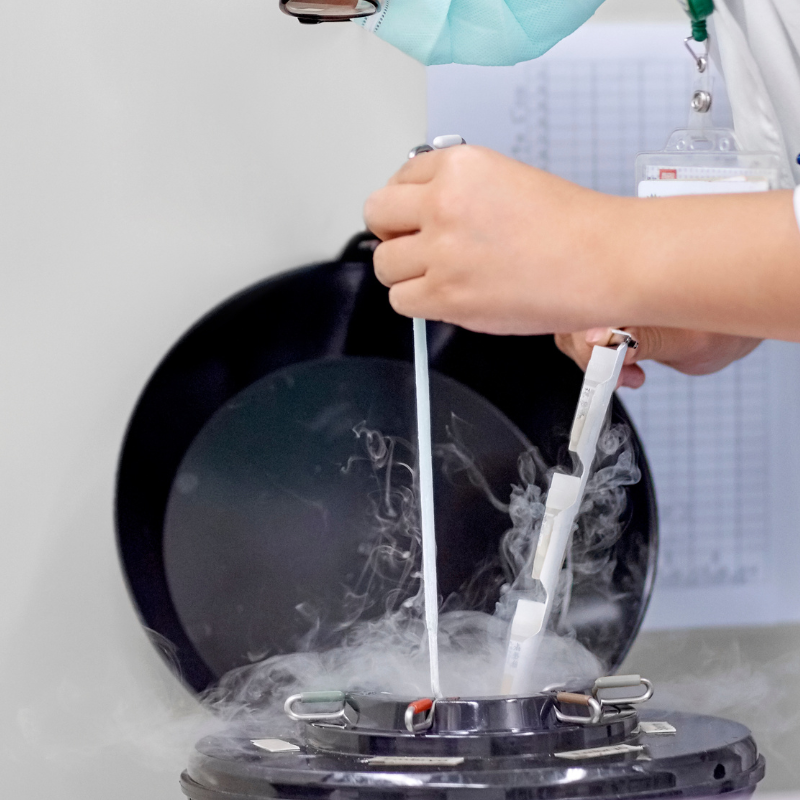
Was Valid Consent Given?
The first inquiry concerns informed consent. The law examines whether the individual voluntarily consented to the collection, storage and intended use of the gametes. The consent documentation frequently records:
- the purpose of preservation;
- the duration of storage;
- whether donation is permitted;
- conditions governing transfer to another clinic;
- procedures for disposal; and
- instructions in the event of death or incapacity.
These documents often become the primary evidence of the individual’s intentions.
Does the Individual Continue to Control the Gametes?
Unlike embryos, frozen gametes ordinarily remain under the control of the individual from whom they were obtained. Accordingly, the law generally examines whether that individual has continued to exercise control over decisions relating to storage, transfer, donation or destruction. This continuing control is closely connected with the principles of bodily autonomy and reproductive choice.
What Are the Obligations of the ART Clinic?
The ART clinic must ensure that every decision relating to stored gametes complies with the applicable statutory framework and the consent provided by the individual. Before releasing, transferring or disposing of gametes, the clinic should verify identity, examine the consent documentation and ensure that its actions remain consistent with both regulatory obligations and professional standards.
The Role of the ART Clinic
ART clinics occupy a position of considerable trust when one intended parent dies. The clinic is not merely a medical provider – it is also discharging statutory responsibilities under the ART Act and the regulatory framework.
Upon learning of a death, the clinic should:
- Review all consent documentation executed during treatment
- Consider applicable statutory provisions
- Review its own policies on embryo storage and disposition
- Seek independent legal advice before taking any irreversible action
This applies equally in altruistic surrogacy cases, where the clinic is also accountable to the surrogate mother under the Surrogacy Act.
The clinic should never proceed with embryo transfer or altruistic surrogacy simply because the surviving spouse requests it. Legal compliance must come first. Compassion and sensitivity are equally important – but they are not substitutes for proper legal authorisation.
Have Circumstances Changed?
Subsequent events may significantly affect the legal analysis. For example: has the individual withdrawn consent? Has the individual died? Has a court issued any relevant directions? Is there a dispute between family members? Is the gamete proposed to be used in another jurisdiction? Each of these circumstances may require a different legal approach.
Practice Note: One of the most common misconceptions encountered in practice is that a spouse automatically acquires legal control over the other spouse’s frozen eggs or frozen sperm. In reality, reproductive material is ordinarily subject to the consent of the individual from whom it originated. Marriage, by itself, does not automatically transfer decision-making authority over stored gametes. The legal position therefore depends not upon assumptions regarding family relationships but upon the applicable statutory framework, the consent documentation and the specific facts of each case.
The Position Under Indian Law: The ART Act, 2021
The legal regulation of frozen eggs and frozen sperm in India is principally governed by the Assisted Reproductive Technology (Regulation) Act, 2021 (“ART Act”), the Rules and Regulations framed thereunder, together with the broader principles of medical law, contract law and constitutional jurisprudence.
Although the ART framework prescribes detailed standards relating to the collection, storage and use of gametes, it does not define the concept of “ownership” in the conventional sense. This is deliberate.
Human reproductive material cannot ordinarily be equated with commercial property capable of unrestricted sale, transfer or disposal. At the same time, the individual from whom the gametes originate unquestionably possesses important legal rights concerning their preservation and future use.
Accordingly, the more appropriate legal question is often not “Who owns the gametes?” but rather “Who has the legal authority to make decisions concerning them?”
This distinction lies at the heart of Indian reproductive law.
Can Consent Be Withdrawn After Storing Eggs or Sperm?
As a general principle of medical law, informed consent is not merely important at the commencement of treatment. It continues to influence subsequent decisions relating to reproductive material.
Accordingly, circumstances may arise in which an individual wishes to withdraw or modify earlier instructions regarding the future use or storage of frozen gametes. Whether such withdrawal is legally effective depends upon several considerations, including:
- the stage at which withdrawal occurs;
- the applicable statutory framework;
- the terms of the consent documentation;
- whether the gametes have already been lawfully used; and
- whether third-party rights have already intervened.
Once again, the emphasis is not upon rigid legal rules but upon ensuring that reproductive decisions continue to reflect informed and voluntary choice.

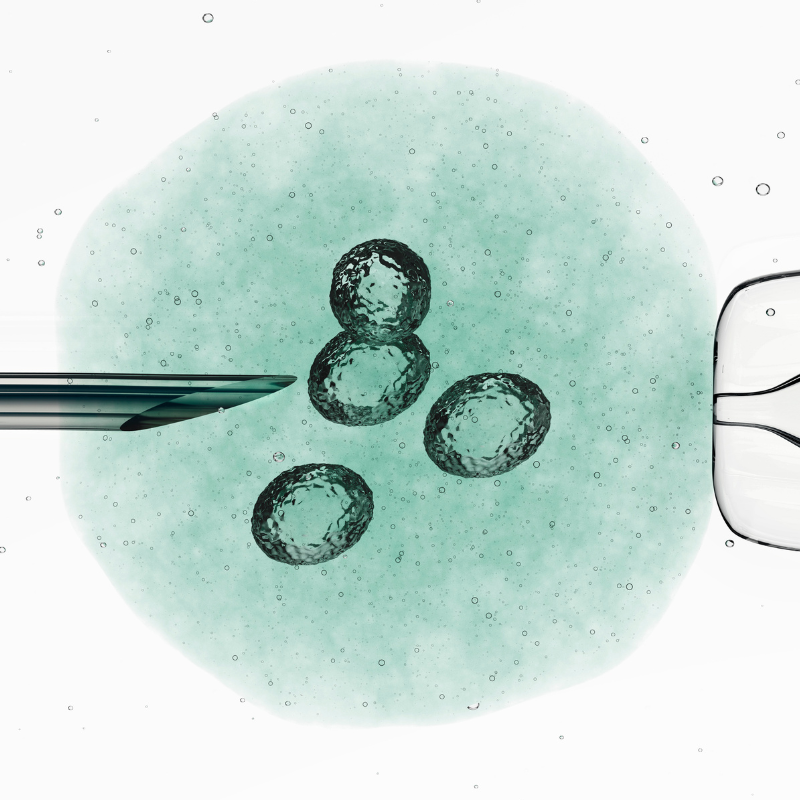
Transfer of Frozen Gametes Between ART Clinics
Increasing numbers of patients seek to transfer frozen eggs or frozen sperm from one ART clinic to another. Such requests may arise because of relocation, changes in treating doctors, improved facilities or personal preference.
From a legal perspective, transfer is not simply a logistical exercise. The releasing clinic must satisfy itself regarding:
- the identity of the requesting individual;
- the authority under which the request is made;
- compliance with the applicable regulatory framework;
- preservation of the chain of custody; and
- safe transport of the reproductive material.
Proper documentation at every stage protects both the patient and the clinics involved.
Confidentiality and Privacy in Fertility Preservation
Information relating to fertility preservation is among the most sensitive categories of personal information handled by an ART clinic. Individuals may preserve gametes before cancer treatment, gender-affirming medical procedures, military deployment, hazardous employment or other deeply personal circumstances.
Accordingly, confidentiality is not merely an ethical obligation. It is an essential legal responsibility.
ART clinics should ensure that information relating to stored gametes is disclosed only in accordance with the applicable law and the consent provided by the individual. Unauthorised disclosure may expose the clinic not only to legal proceedings but also to serious reputational consequences.
1. Discuss Posthumous Reproduction Before Beginning Treatment
Before embryo creation, intended parents should discuss:
- Should the surviving spouse be permitted to use frozen embryos after the other’s death?
- Should an altruistic surrogacy arrangement be permitted to continue if one intended parent dies?
- Should the embryos be donated, stored, or disposed of if both parents die?
2. Ensure Consent Documentation Reflects Your Wishes
General IVF consent may not address posthumous reproduction or posthumous altruistic surrogacy. Wherever legally permissible, record your intentions clearly and specifically – covering both direct transfer and surrogacy scenarios.
3. Review Consent If Circumstances Change
Significant life events – the birth of a child, changes in health, changes to your altruistic surrogacy plans – may affect your wishes. Review your documentation periodically.
4. Inform Trusted Family Members Where Appropriate
In altruistic surrogacy arrangements, the surrogate is often a close relative. Clear communication about posthumous reproduction wishes can prevent misunderstandings and family disputes if tragedy occurs.
5. Seek Legal Advice for Complex Situations
Early legal advice is essential if your situation involves:
- An existing or planned altruistic surrogacy arrangement
- Second marriages or blended families
- Substantial inherited property or succession concerns
- NRI or OCI status
- International residence or cross-border ART procedures
What Happens to Frozen Eggs or Sperm If the Individual Dies?
The legal position changes significantly if the individual who preserved the gametes dies before using them. The fact of death does not automatically determine the future of the stored reproductive material.
Instead, the clinic should carefully examine:
- the consent documentation;
- any specific instructions concerning posthumous use;
- the applicable statutory framework; and
- any subsequent legal developments affecting the matter.
Requests from spouses, parents or legal representatives should never be acted upon solely because of the familial relationship. The decisive consideration remains the legal authority under which the clinic is asked to act.
Responsibilities of the ART Clinic
The legal responsibilities of an ART clinic extend well beyond maintaining cryogenic storage. A professionally managed clinic should ensure:
- comprehensive consent documentation;
- accurate identity verification;
- secure storage systems;
- complete record maintenance;
- strict confidentiality;
- transparent procedures for transfer and release of gametes; and
- legally compliant decision-making whenever disputes arise.
The standard expected of ART clinics continues to evolve alongside advances in reproductive medicine. Modern fertility practice requires clinics not only to provide high-quality medical care but also to maintain governance systems capable of withstanding legal and regulatory scrutiny.
A Practical Observation
Disputes concerning frozen eggs and frozen sperm are often easier to prevent than to resolve. Unlike embryo disputes, where competing reproductive interests frequently arise, disputes concerning gametes usually centre upon a single issue: whether the clinic has correctly implemented the wishes of the individual who preserved the reproductive material.
Where those wishes have been clearly documented and carefully followed, legal disputes become comparatively uncommon. Conversely, uncertainty regarding consent, identity verification or documentation frequently creates avoidable litigation.
For this reason, effective legal compliance begins long before any dispute reaches a courtroom. It begins with clear documentation, informed consent and disciplined clinical governance from the very first day of treatment.
Comparative Judicial Developments on Frozen Gametes
As fertility preservation has become increasingly common across the world, courts have been called upon to resolve disputes involving frozen eggs and frozen sperm in a wide variety of factual situations. Unlike embryo disputes, which often involve competing reproductive rights between two intended parents, disputes concerning gametes generally centre upon the autonomy of a single individual.
Although the statutory frameworks differ from one country to another, comparative jurisprudence reveals several consistent legal principles that are equally relevant to the development of reproductive law in India.
Principle One: Reproductive Autonomy Remains Paramount
Perhaps the most widely accepted principle is that decisions concerning frozen gametes belong primarily to the individual from whom they were obtained. The ability to decide whether to preserve fertility, undergo assisted reproduction, donate reproductive material or discontinue storage forms part of an individual’s reproductive autonomy.
Courts have therefore been reluctant to allow third parties to interfere with these decisions unless authorised by law or by the individual’s own informed consent. This principle explains why requests made by spouses, parents or other relatives are ordinarily examined through the lens of consent rather than family relationship.
The legal question is not “Who is the closest relative?” Instead, it is “Who has the legal authority to make this decision?” That distinction remains fundamental throughout reproductive law.
Practice Note: In practice, disputes involving frozen gametes are often driven by emotion rather than legal entitlement. Family members may sincerely believe they are acting in the individual’s best interests. However, fertility clinics should base their decisions upon documented legal authority rather than assumptions arising from family relationships.
Principle Two: Consent Is an Ongoing Process
Comparative jurisprudence also recognises that consent relating to reproductive material is not confined to a single moment. Consent given for collection does not automatically authorise every future use. Similarly, consent to storage does not necessarily authorise donation, research, posthumous reproduction or transfer to another jurisdiction.
Each significant decision involving reproductive material should ordinarily be supported by informed consent appropriate to that particular purpose. This approach reflects the broader principles of medical law, where patient autonomy continues throughout the course of treatment rather than ending after the initial procedure.
Principle Three: Confidentiality Is Central to Fertility Preservation
International experience consistently demonstrates that confidentiality forms an essential component of assisted reproductive practice. Individuals who preserve fertility often do so during particularly vulnerable periods of life, including diagnosis of cancer, impending chemotherapy or radiotherapy, military deployment, high-risk occupations, planned gender-affirming treatment, delayed parenthood for professional or personal reasons, or other deeply personal medical circumstances.
Courts have therefore recognised that unauthorised disclosure of fertility preservation records may cause harm extending well beyond financial loss. Professional confidentiality, secure record management and careful verification of identity have consequently become recognised standards of responsible reproductive practice.
Principle Four: Clinics Must Balance Medical Care with Legal Compliance
Another recurring theme in comparative jurisprudence is that ART clinics perform a dual role — they are healthcare providers, and they are also custodians of reproductive material carrying significant legal consequences.
This dual responsibility requires clinics to maintain systems capable of ensuring accurate patient identification, secure storage, complete documentation, transparent release procedures, regulatory compliance, and effective management of disputes. International experience demonstrates that clinics with robust governance systems are significantly less likely to become involved in avoidable litigation.
Principle Five: Technology Continues to Outpace Legislation
Perhaps the most important lesson emerging from comparative reproductive law is that scientific progress frequently advances more rapidly than legislative reform. Modern cryopreservation techniques now permit reproductive material to remain viable for periods that were once considered impossible. International transport of gametes has become increasingly common. Digital record management has replaced paper files. Cross-border fertility treatment continues to expand.
These developments continually present new legal questions concerning jurisdiction, consent, confidentiality and regulatory oversight. Courts have therefore increasingly relied upon enduring legal principles — autonomy, informed consent, privacy and fairness — to resolve disputes that legislation did not specifically anticipate.
Lessons for India
India’s regulatory framework governing assisted reproductive technology is among the most significant legislative developments in reproductive medicine. However, as fertility preservation continues to expand, new factual situations will inevitably emerge. Comparative jurisprudence suggests several practical lessons that deserve particular attention.
First, decisions concerning frozen gametes should remain centred upon the informed wishes of the individual who preserved them.
Secondly, consent documentation should anticipate future developments wherever reasonably possible.
Thirdly, ART clinics should continue strengthening governance systems rather than relying solely upon traditional clinical practices.
Finally, reproductive law should continue to evolve in a manner that accommodates scientific advancement while preserving the dignity, autonomy and privacy of every individual undergoing fertility treatment.
Frequently Asked Questions (FAQs)
1. Who legally owns frozen eggs or frozen sperm?
The issue is better understood in terms of legal control rather than conventional ownership. Indian reproductive law generally recognises that the individual from whom the gametes originate retains the authority to make decisions regarding their storage, use, transfer or disposal, subject to the applicable statutory framework and the consent documentation.
2. Can a spouse demand release of frozen eggs or frozen sperm?
Not merely because of the marital relationship. The clinic should act only in accordance with the applicable law and the consent provided by the individual whose gametes have been preserved. Marriage does not automatically confer legal authority over another person’s reproductive material.
3. Can frozen eggs or frozen sperm be transferred to another ART clinic?
Yes, subject to compliance with the applicable legal requirements, identity verification, proper documentation and safe transport procedures. The transfer should preserve the integrity and traceability of the reproductive material throughout the process.
4. Can an individual withdraw consent after storing gametes?
Depending upon the circumstances, consent relating to future storage or use may be capable of being modified or withdrawn. The legal effect of any withdrawal depends upon the applicable law, the consent documentation and the stage at which the request is made.
5. What happens if the individual dies before using the stored gametes?
The answer depends upon the statutory framework, the consent documentation and any legally valid instructions concerning posthumous use or disposal. Neither the death of the individual nor the wishes of family members automatically determine the future of the preserved reproductive material.
6. Can an ART clinic refuse to release frozen gametes?
Yes. Where legal authority is uncertain, documentation is incomplete, identity cannot be satisfactorily verified or statutory obligations have not been fulfilled, the clinic may be justified in declining release until the legal position has been clarified.
Key Takeaways
- Frozen eggs and frozen sperm differ legally from embryos because they ordinarily involve the reproductive rights of a single individual.
- The central legal concept is control through informed consent, rather than ownership in the traditional property law sense.
- The ART Act, 2021 provides the regulatory framework governing collection, storage and use of gametes, while many practical issues continue to depend upon consent documentation and established legal principles.
- Marriage does not automatically give one spouse authority over the other spouse’s preserved reproductive material.
- ART clinics should maintain comprehensive consent documentation, rigorous identity verification procedures and transparent governance systems to minimise legal risk.
- Individuals should periodically review their storage instructions and promptly communicate significant changes to the clinic.
Conclusion
The ability to preserve eggs and sperm has fundamentally changed reproductive medicine by giving individuals greater control over their future fertility. What was once available only in exceptional medical circumstances has become an increasingly common component of modern healthcare.
With this scientific progress comes a corresponding legal responsibility.
Frozen gametes cannot be treated as ordinary biological specimens, nor can they be analysed solely through the traditional principles of property law. They represent deeply personal reproductive choices protected by principles of autonomy, informed consent, privacy and professional accountability.
For individuals, fertility preservation offers opportunities that extend well beyond the immediate medical procedure. For ART clinics, it creates continuing obligations to safeguard reproductive material with the highest standards of care, documentation and legal compliance.
As assisted reproductive technology continues to evolve, the law will increasingly be required to address new questions concerning digital consent, international movement of reproductive material, long-term storage, data protection and emerging reproductive technologies.
The guiding principles, however, are unlikely to change. Respect for individual autonomy, informed decision-making, confidentiality and responsible clinical governance will continue to form the foundation of reproductive law in India.
How M&D Surrogacy Law Firm Can Assist
M&D Surrogacy Law Firm, based in Chennai, advises individuals, intended parents, fertility clinics, hospitals and ART professionals on the legal issues arising from fertility preservation, cryopreservation of eggs and sperm, consent documentation, regulatory compliance and disputes under the Assisted Reproductive Technology (Regulation) Act, 2021.
Our services include drafting and reviewing fertility preservation agreements, advising on storage and transfer of gametes, preparing legally compliant consent documentation, assisting ART clinics with regulatory audits and governance reviews, and representing clients in disputes involving reproductive material and assisted reproductive technology.
Whether the issue concerns fertility preservation before medical treatment, long-term storage, transfer between clinics or complex questions involving consent and posthumous use, timely legal advice can help ensure that reproductive choices are implemented within a clear and legally secure framework.
Get Expert Legal Help Today
Need legal guidance regarding frozen embryos, IVF consent agreements, surrogacy, fertility law, or reproductive rights?
Contact M&D Surrogacy Law Firm, Chennai, for a confidential consultation.
Our Chennai-based team specialises in Surrogacy Law, IVF & Fertility Law, ART Act Compliance, and Reproductive Rights Legal Consultation.